
How we deliver medical humanitarian assistance
Before starting activities in an area, our teams conduct independent evaluations to determine medical needs and assess what assistance to provide. Different criteria determine what we do, such as the magnitude of a given crisis, the levels of illness and deaths in a community, the severity of exclusion from healthcare, and the added value we can bring to affected people. We regularly question the form, relevance, and impact of our presence, taking into account what other organisations do.
How we work
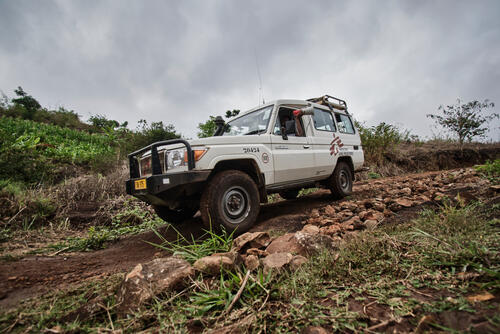
Rapid and effective response to emergencies is at
Rapid and effective response to emergencies is at the core of our work. If death rates soar in a community in just a few weeks, the main challenge is to save as many lives as possible in as short a time. MSF stocks pre-prepared kits so t…
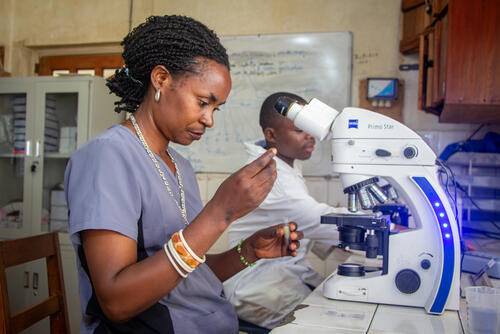
We continuously look to evolve and improve our
We continuously look to evolve and improve our medical practice. Medical guidelines for our teams are published in multiple languages and are regularly updated to build on best practices. Our medical innovation has led to significant imp…
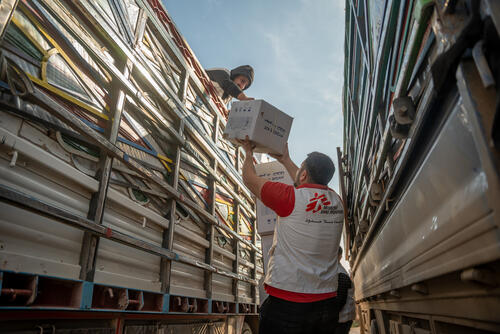
We are able to treat millions of patients
We are able to treat millions of patients each year because our work is underpinned by a solid network of supply and logistics. This network is run on the basis that MSF staff should always have exactly the right materials for the job at…
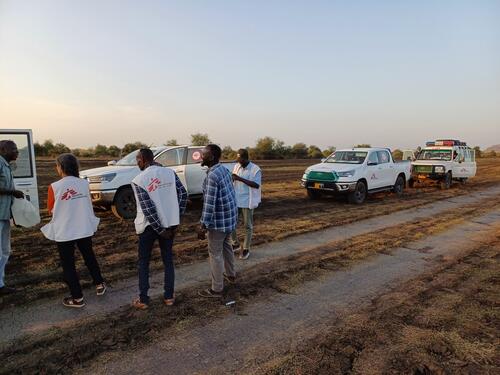
When a crisis hits, MSF staff already in
When a crisis hits, MSF staff already in the area will mobilise to provide assistance. More staff from the region or further abroad are sent if needed. In addition to medical staff, our teams include logisticians, water and sanitation sp…
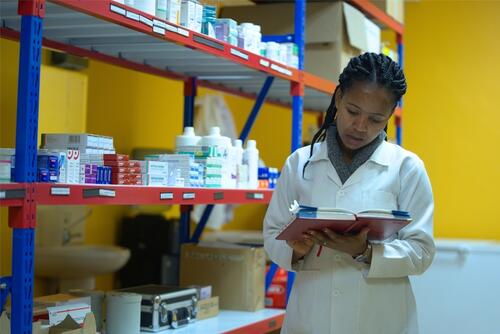
We attach the utmost importance to the quality
We attach the utmost importance to the quality of medicines used to treat patients. We strongly consider that any patient wherever he or she lives has the right to be treated with effective and safe medical products. We validate our medi…
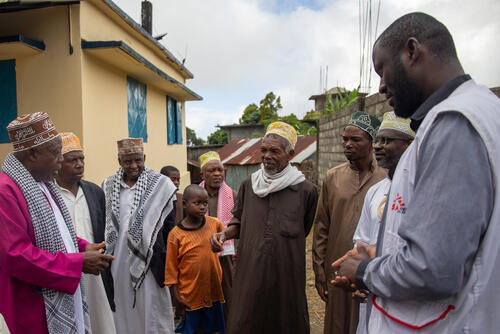
Our medical care is based on needs alone,
Our medical care is based on needs alone, independent of political, economic or other interests. On the ground, our teams are in constant dialogue with communities, local authorities, and armed groups, to facilitate access and delivery o…
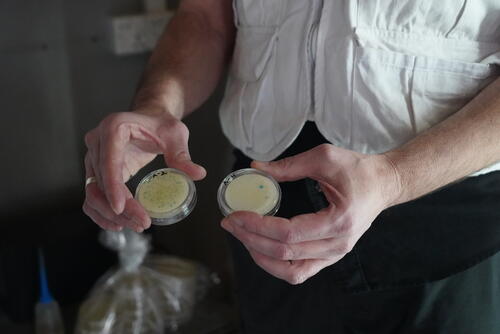
MSF sponsors or takes part in research projects
MSF sponsors or takes part in research projects in our programmes, the results of some of which have had substantial impact on global health policy and benefited people served by MSF and beyond. Research has become increasingly integral…
Behavioural commitments
The integrity of our organisation is upheld by the good conduct of each individual staff member, in any location, with full respect for the communities we serve. For us, this means not tolerating any behaviour from our staff that exploits the vulnerability of others, or of employees taking advantage of their position for personal gain. Our leadership has unequivocally committed to fight abuse and to reinforce mechanisms and procedures to prevent and address it.
Read our Behavioural Commitments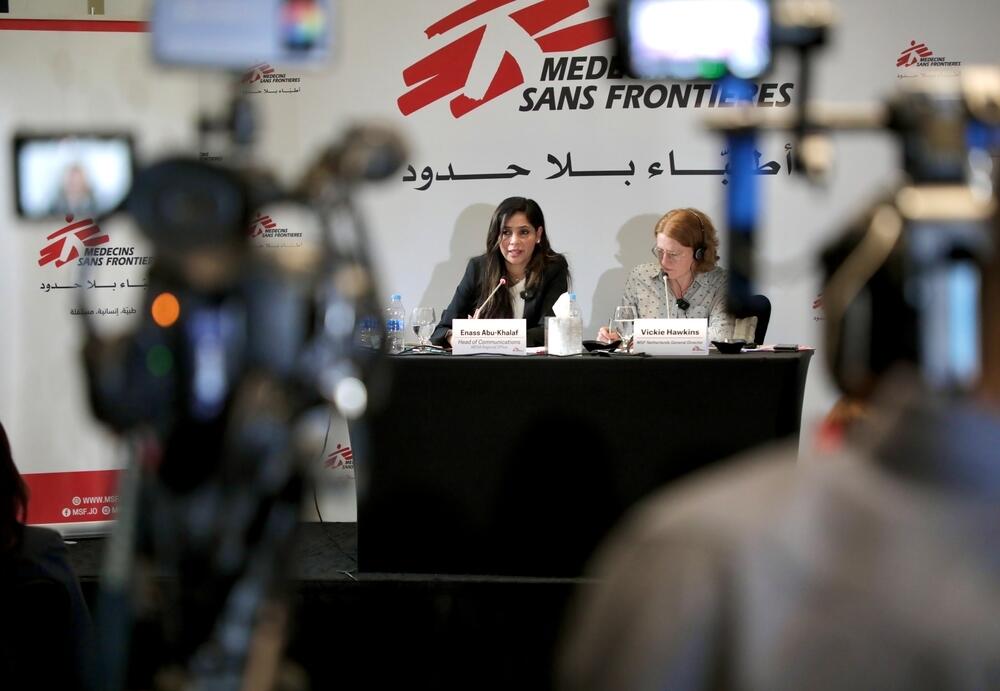
Temoignage, bearing witness and speaking out
Our proximity to people in distress implies a duty to raise awareness to improve their situation.
Our teams may witness violence, atrocities, and neglect in the course of their work. Témoignage – translated from French as ‘bearing witness’ – is the act of raising awareness, either in private or in public, about what we see happening in front of us. At times, MSF may speak out publicly to bring a forgotten crisis into view, or to denounce abuse, or challenge the diversion of assistance, or to call out policies that restrict access to medical care or essential medicines.
Our Speaking Out case studies provide a historical reflection on key events in MSF history, and which examine and analyse our actions and decision making.
Logistics – The cornerstone of our operations
Logistics: the cornerstone of our operations
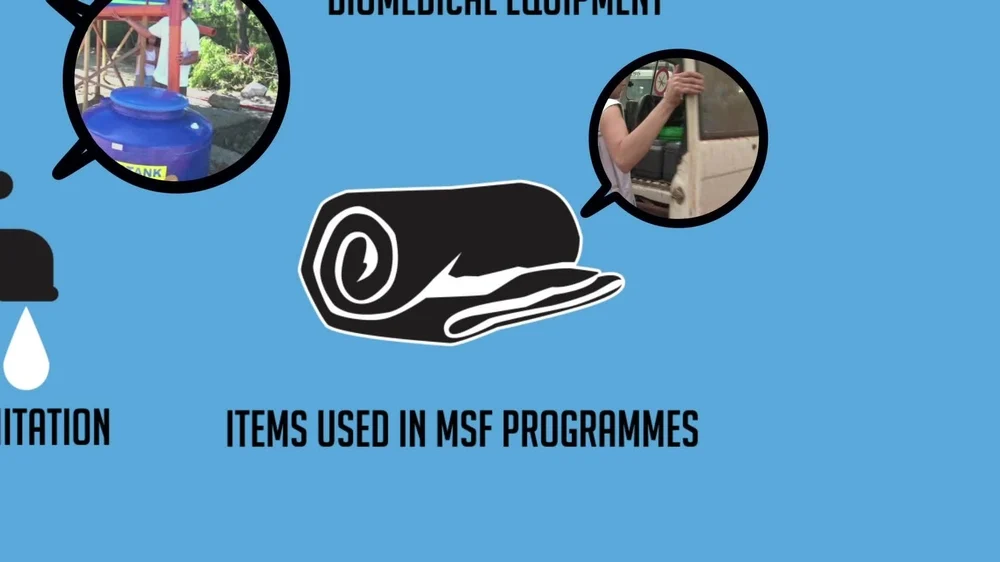
Thousands of logisticians in our projects make sure that everything runs smoothly. From maintaining the cold chain during vaccination campaigns, to servicing vehicles; from organising the provision of water and sanitation in a camp, to setting up a field hospital - logistics is what makes our work possible.
Our supply centres in France, Belgium and the Netherlands (plus their regional hubs) dispatch pre-packaged kits, supplies and medicines needed for treating patients and running programmes. They guarantee the safety of medical and non-medical supplies, and deliver what our teams need, wherever needed and when they need it.
Epicentre
Epicentre is an affiliate organisation we set up in 1986 to provide epidemiological expertise to our field programmes. Today they investigate critical situations in our projects, in particular displacement of people and epidemics. Epicentre also conducts research on behalf of MSF in the areas where we operate, and trains medical personnel in epidemiological techniques.
The MSF Academy for Healthcare
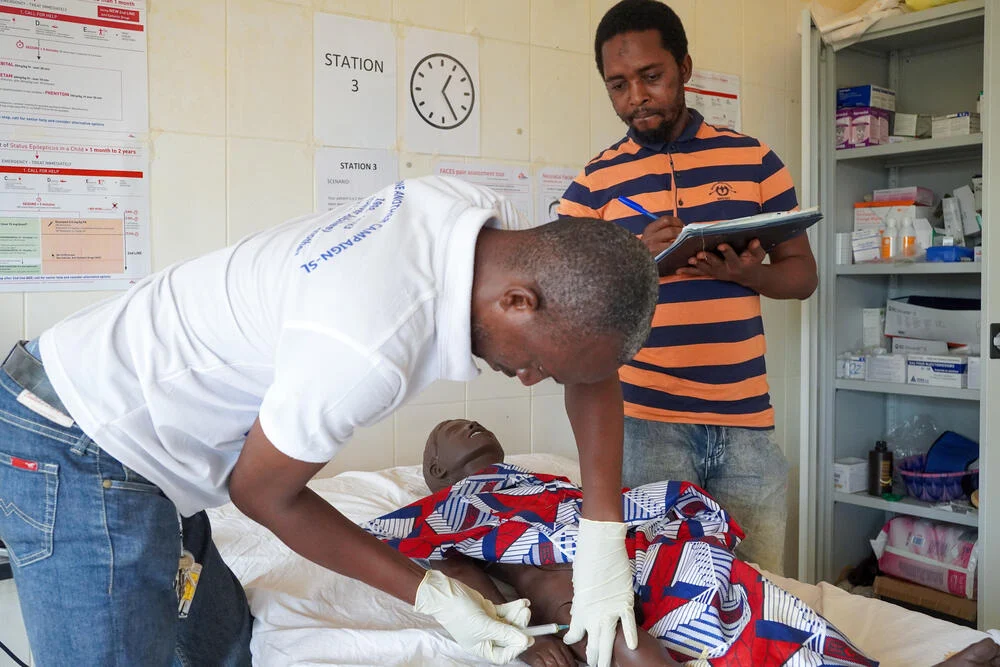
academy.msf.orgEvents such as the 2013-2016 West Africa Ebola epidemic and the COVID-19 pandemic took a severe toll on healthcare workers, killing thousands. In addition, many of the countries in which we work are affected by conflict and crises which can lead to a shortage of qualified healthcare staff. The MSF Academy for Healthcare focuses on strengthening the skills and competencies of healthcare workers in 35 countries where MSF works.
Through competency-based curricula based on theoretical knowledge, workplace practice, and clinical mentoring and tutoring, we train and teach medical and paramedical workers, contributing to long-lasting improvements to the quality of care available in the most hard-hit countries, and to progressively diminish the footprint of international presence.
Reflection centres
Critical reviews and reflection centres
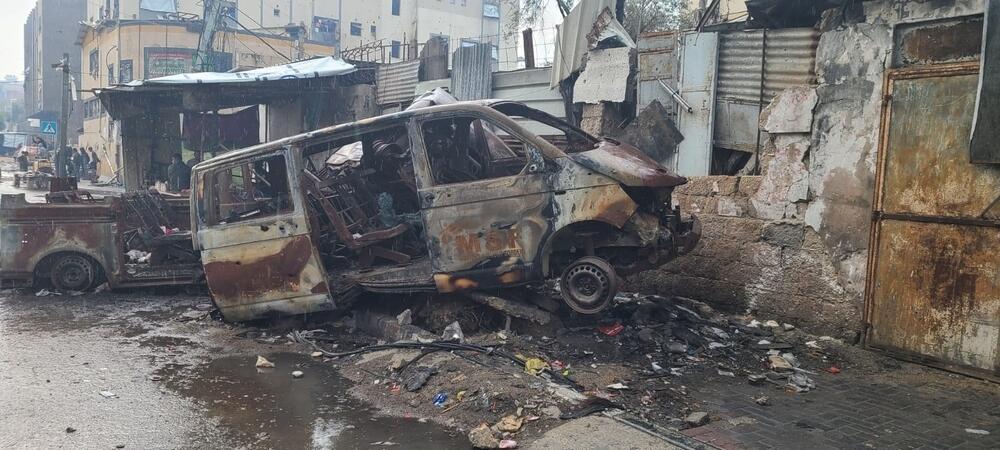
With more than 50 years of on-the-ground experience as an emergency and humanitarian aid organisation, and as part of our need to reflect critically on our actions and improve our ways of working, several reflection centres have been set up within MSF.
Their role is mainly to reflect and challenge our humanitarian and medical actions, draw lessons-learned and ways forward for future operations, and support advocacy efforts, while also inspiring debate inside MSF and beyond.
The centres conduct direct studies and analysis of MSF actions, but also don't shy away from pointing out other gaps in the humanitarian system at large. Themes explored may include migration, refugees, aid access, and health policies.
Inclusion of Persons with Disabilities
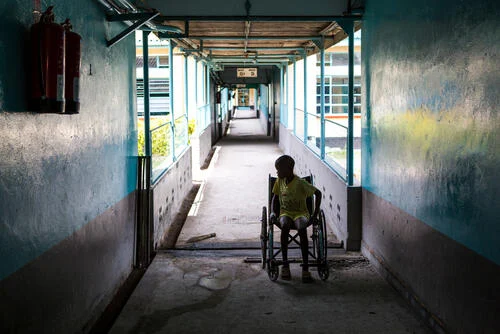
Website Inclusion of Persons with Disabilities msf.org
The Evolution of Emergency WASH in Humanitarian Action
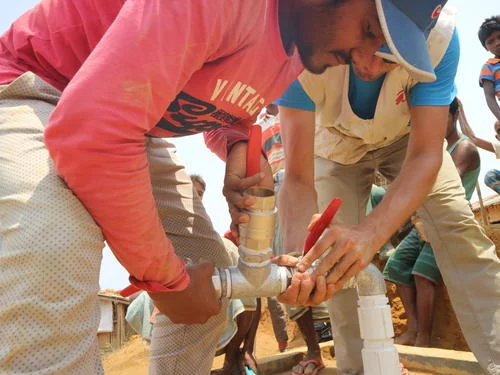
Water and sanitation The Evolution of Emergency WASH in Humanitarian Action msf.es 1 Jun 2017
Saving Lives and Staying Alive
Book Saving Lives and Staying Alive 5 Sep 2016 Book
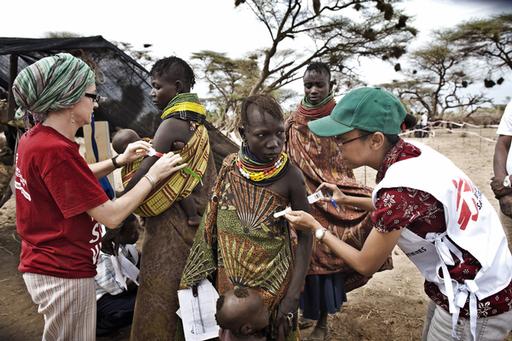
In the Eyes of Others: How People in Crises Perceive Humanitarian Aid
Humanitarian challenges In the Eyes of Others: How People in Crises Perceive Humanitarian Aid Report 19 Dec 2011
Humanitarian Negotiations Revealed: The MSF experience
Book Humanitarian Negotiations Revealed: The MSF experience 22 Nov 2011 Book
Medical Innovations in Humanitarian Situations
Book Medical Innovations in Humanitarian Situations 10 Dec 2009 Book